
How Much Does Hard Chrome Plating Cost? A Practical Pricing Guide for Industrial Buyers
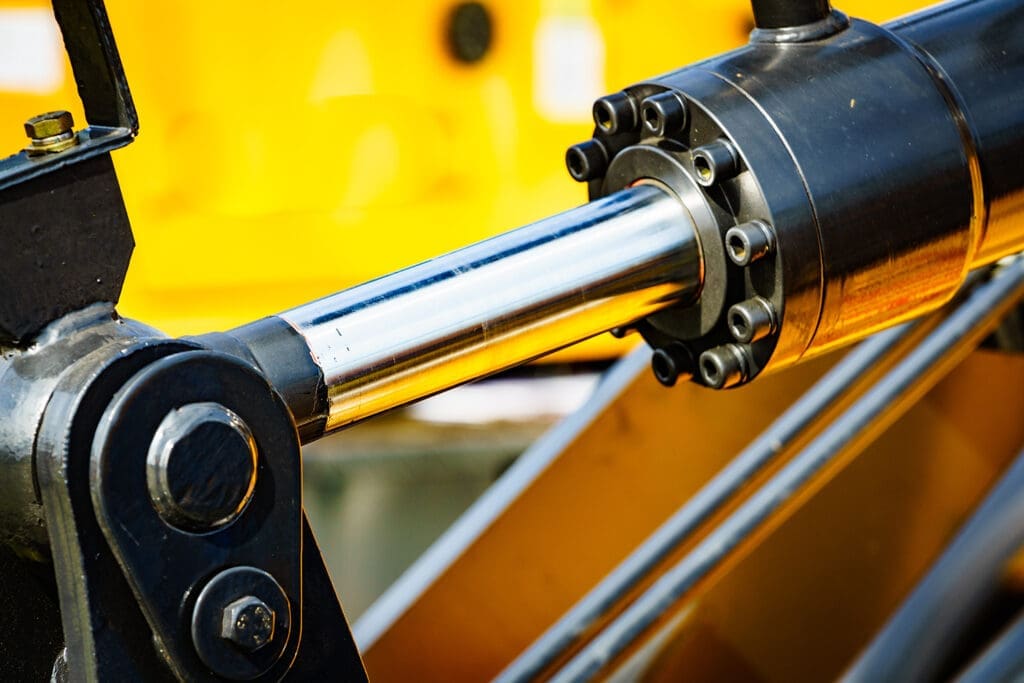
If you are managing equipment maintenance or sourcing repair vendors, one of the first questions you need answered is a straightforward one: how much does chrome plating cost? The honest answer is that it depends, but that does not have to leave you guessing. Understanding what drives industrial hard chrome plating cost gives you the information you need to budget accurately, compare vendors fairly, and make smarter repair decisions before a worn part becomes an unplanned shutdown.
This guide breaks down the key pricing factors, provides realistic ballpark ranges by part type, and tells you exactly what to include when you request a quote.
What Industrial Hard Chrome Plating Is (And Is Not)
Before getting into pricing, it helps to clarify what you are paying for. Industrial hard chrome, sometimes referred to as engineering chrome, is a functional surface treatment applied to metal components to restore dimensions, extend service life, and improve performance in demanding operating environments. It is not cosmetic work.
Unlike decorative chrome, which is applied purely for appearance, industrial hard chrome plating is specified for performance. The chromium-plated layer delivers measurable wear resistance and corrosion resistance, allowing rebuilt components to perform reliably in the field, often beyond their original service life.
If your hydraulic rods, industrial rolls, shafts, press components, or tooling are worn, pitted, or out of tolerance, chrome plating is a proven method for bringing those parts back to spec without full replacement.
Hard Chrome Specialists has been performing this work since 1988. As an ISO 9001-registered facility, every job is held to documented quality standards, and the team handling your parts consists of trained technical specialists, not generalists.
Key Factors That Affect Chrome Plating Cost
No two parts are identical, and neither are their quotes. When you ask how much it costs to get something chrome-plated, these are the variables that drive the number.
Part Size and Geometry
Larger parts require more tank capacity, more material, and more labor hours. Complex geometry, tight tolerances, or features that require masking all add to the time and skill involved. A straightforward hydraulic rod is quoted differently than a large forming roll or a component with recessed features. Size is often the single largest cost driver.
Required Plating Thickness
Chrome plating price is directly tied to deposit thickness. Thicker deposits take longer to build and consume more material. If your part is severely worn and needs significant build-up before being ground back to the final dimension, that additional processing is reflected in the quote.
Substrate Condition
Parts that arrive heavily corroded, deeply pitted, or structurally compromised require more preparation before plating can begin. Surface condition affects both adhesion quality and the amount of pre-treatment labor involved. A part in poor condition is not necessarily a rejection, but it does affect cost and turnaround time.
Pre-Treatment and Post-Plating Work
Many parts require surface preparation before plating, such as OD grinding to remove surface damage or build-up welding to restore missing material. After plating, a finish grind is typically required to bring the part to its final dimension and specified surface finish. These steps are part of a complete repair, and they are what separates a properly restored component from one that fails prematurely.
Pre- and post-plating work adds to the total chrome plating cost, but skipping these steps compromises the outcome. At Hard Chrome Specialists, the full process is handled in-house, so you are not coordinating multiple vendors to get one part finished correctly.
Part Quantity
If you are sending multiple identical components, setup time is distributed across the batch, which improves per-part economics. Single-piece or low-volume runs typically carry a higher per-part cost than repeat production quantities. If you have ongoing maintenance needs, it is worth discussing volume pricing when you request your quote.
Realistic Pricing Ranges by Part Type
Chrome plating price varies widely across the industry. While every quote is specific to the part and its condition, these general ranges can help you plan and set internal expectations before engaging a vendor.
Hydraulic Cylinder Rods (Small to Mid-Size)
Repair and rechrome on a standard rod typically falls in the range of a few hundred dollars, depending on length, condition, and whether pre-treatment is needed. Rods from heavy equipment, agricultural machinery, and construction equipment are among the most common parts processed at Hard Chrome Specialists.
Large Industrial Rolls and Shafts
These are higher-investment parts. Depending on size, required plating thickness, and the scope of pre- and post-plating work, costs can range from several hundred to several thousand dollars. Mills, forming operations, and quarry equipment frequently require this type of work.
Tooling and Precision Wear Components
Smaller parts with tight tolerances, including components used in firearms manufacturing for companies such as Remington and Ruger, often carry a minimum charge regardless of physical size. That minimum reflects the setup, handling, and quality verification time required to process precision components correctly.
These figures are estimates. Your actual hard chrome plating quote will be based on the specifics of your part, its current condition, and what is required to restore it to spec.
Repair vs. Replace: Where Chrome Plating Wins
If you are weighing whether to rechrome a worn part or order a replacement, chrome plating is often the more cost-effective path, particularly when:
- The lead time on a new part is long, and downtime is already costing you
- The base material is structurally sound, and only the surface is worn
- The replacement part is expensive, obsolete, or difficult to source
- You need a precision fit that a standard off-the-shelf replacement cannot guarantee
A rechromed and reground component, restored to original dimensions with a properly applied chromium-plated surface, will often outlast a replacement in hard-use applications. That is because the industrial hard chrome layer provides wear resistance and corrosion resistance that the base metal alone cannot deliver.
For applications where nickel plating is a better fit due to part geometry, chemical exposure, or deposit requirements, Hard Chrome Specialists can evaluate your component and recommend the right process. The goal is always the best outcome for your application, not a one-size-fits-all answer.
What to Include When Requesting a Quote
When you contact Hard Chrome Specialists for a hard chrome plating quote, the more detail you provide upfront, the more accurate the number will be. Here is what to include:
- Part type and base material (steel, stainless, cast iron, etc.)
- Overall dimensions (length, diameter, or surface area)
- Current condition (worn, corroded, pitted, out of spec)
- Required plating thickness or final target dimension
- Quantity of parts
- Any pre-treatment needs you are aware of (grinding, build-up, masking)
- Your required turnaround time
Including photos of the part, especially any damaged areas, helps the team assess the condition before the part ships and avoids surprises once it arrives.
Ready to Get a Quote for Your Part?
Understanding industrial hard chrome plating cost starts with the details of your specific component. Whether you are working through a repair decision, budgeting for scheduled maintenance, or managing an unplanned breakdown, getting a direct quote based on your actual part is the fastest way to know where you stand.
Contact Hard Chrome Specialists to request your hard chrome plating quote. Provide your part details, and a member of the team will follow up with pricing and lead time.