
Chrome Plating Hydraulic Cylinder Rods: Failure Modes and Repair Options
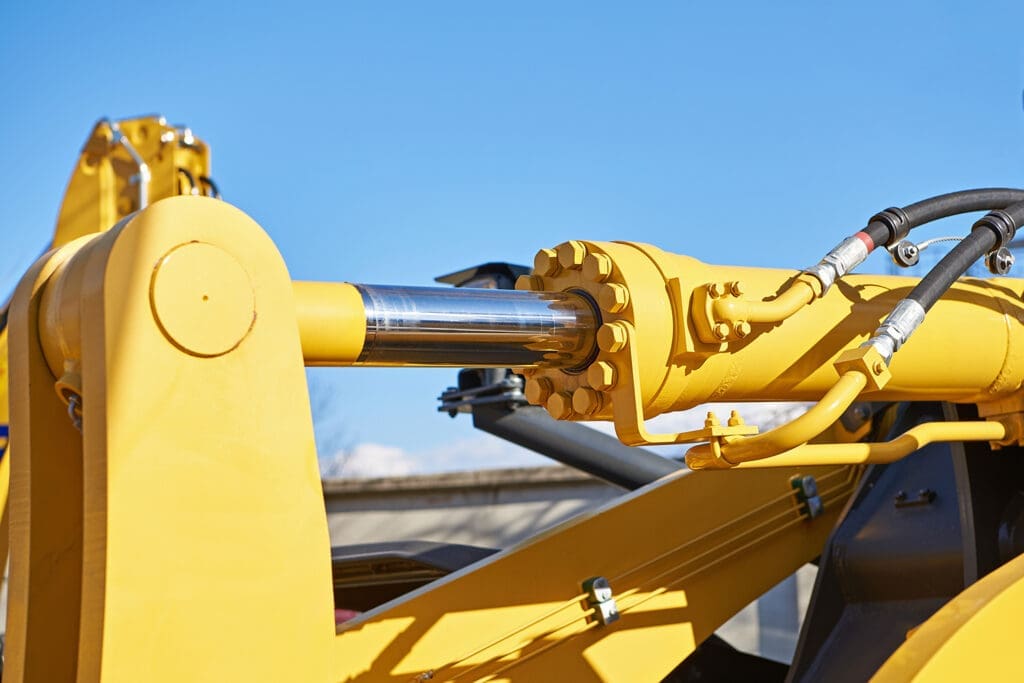
When a hydraulic cylinder rod fails, your operation stops. The question is not just how to fix it, but whether you need a full replacement or whether chrome plating a hydraulic cylinder rod is the faster, more cost-effective path back to full production.
This guide covers the most common failure modes, how to evaluate whether restoration is viable, and what the repair process looks like from inspection to final delivery. If you manage equipment in heavy manufacturing, construction, agricultural operations, mills, or any facility where hydraulic systems are critical to output, this is information worth having before downtime makes the decision for you.
Why Hydraulic Cylinder Rods Fail
Rod failure is rarely sudden. It develops through progressive surface degradation, and the earlier you identify it, the more options you have.
Pitting is one of the most common failure modes. Once the surface layer begins to break down from moisture exposure, contamination, or aggressive operating conditions, pitting accelerates quickly. Each pit creates a path for hydraulic fluid to bypass the seals, leading to leaks, pressure loss, and eventual system failure.
Scoring typically results from abrasive particles entering the system or from misalignment that causes metal-to-metal contact. A scored surface is irregular and rough. That roughness destroys seals faster than normal wear, and if your team is replacing seals on a regular cycle, the rod surface itself is often the underlying cause.
Corrosion is especially common in construction equipment, quarry operations, and agricultural machinery where rods are exposed to water, chemicals, and outdoor environments year-round. A hydraulic cylinder rod that is not resistant to corrosion will degrade faster than its rated service life, regardless of how well the rest of the system is maintained.
All three failure modes lead to the same outcome: fluid leakage, reduced system pressure, and unplanned downtime that ripples through your production schedule.
Repair vs. Replacement: Making the Right Call
Before committing to a new rod, evaluate the condition of the base metal. If the substrate is sound and the damage is limited to the surface, restoration through hard chrome plating is typically the more practical choice in terms of both cost and lead time.
Even if the substrate is severely corroded below the surface, rechroming the cylinder rod is the best option, not replacement. Replacement makes sense when the substrate is cracked or dimensionally outside of acceptable tolerances. Severe below-surface corrosion is a condition that Hard Chrome Specialists addresses every day; it is a core part of the business and well within the scope of what the rechroming process is designed to handle. A visual inspection alone is not always sufficient to make that determination. A qualified technician needs to evaluate the rod before any work begins.
The economics of repair are difficult to ignore. A replacement rod for a crane cylinder, a hot mill press, or heavy construction equipment carries significant lead time and capital expense. Restoration, when the part is a good candidate, brings the rod back to functional specification at a fraction of that cost. This holds true across industries, from firearm component manufacturers running precision hydraulic presses to quarry and aggregate operations running high-cycle equipment in abrasive environments.
How Chrome Plating Restores a Hydraulic Cylinder Rod to Specification
Chrome plating a hydraulic cylinder rod is a precision process, not a surface patch. It rebuilds the functional layer of the rod to exacting specifications so the restored component performs like new in demanding industrial environments.
At Hard Chrome Specialists, the process works as follows:
- Inspection. The rod is evaluated for substrate integrity, surface damage, and dimensional condition. If restoration is not viable, you will know before any work is authorized.
- Stripping. The existing chrome layer is removed through reverse electrolysis or precision grinding, depending on the rod’s condition. Preserving the substrate is the priority at this stage.
- Surface preparation. The base metal is cleaned thoroughly. Any contaminants left on the substrate will affect plating adhesion and final quality, so this step is not rushed.
- Chrome plating. The rod is placed in an electrochemical bath. A controlled current causes chromium metal to deposit evenly across the rod surface. Deposit thickness is determined by your operating requirements and the application environment.
- Post-grinding and finishing. The chrome layer is ground and finished to the precise diameter and surface finish required for seal compatibility. This step determines whether the restored rod will actually perform correctly. A surface that is too rough or dimensionally out of spec will cause the same seal failures you started with.
- Final inspection. The finished rod is measured and verified against your specifications before it leaves the facility.
The result is a hard, wear-resistant surface built to hold up under the conditions your equipment actually operates in, whether that is a high-cycle press, an outdoor crane, or a hydraulic system running in a quarry environment.
Surface Finish and Seal Compatibility
Surface finish specification is one of the most critical factors in a successful rechrome, and it is often overlooked when sourcing a repair vendor. Seals require a specific surface roughness range to function correctly. Too rough, and the seal wears out before its rated cycle count is reached. Too smooth, and the seal cannot maintain adequate film lubrication.
When you send a rod to Hard Chrome Specialists for rechroming, knowing your seal manufacturer’s recommended finish specification helps. If you do not have that information, the technical team can work with you to determine the appropriate target finish based on the application and operating conditions.
What to Have Ready When You Request a Quote
Getting a fast, accurate quote starts with the right information. Before you contact Hard Chrome Specialists, have the following ready:
- Rod diameter and approximate length
- Description of the surface damage (pitting, scoring, corrosion, or a combination)
- Photos of the rod surface, if available
- Operating environment details, such as chemical exposure, outdoor use, or temperature range
Having this on hand allows the team to evaluate the rod accurately and give you a realistic turnaround and cost estimate without unnecessary back and forth.
Get Your Rod Back to Spec
If you have a hydraulic cylinder rod that is pitted, scored, or showing signs of surface wear, the time to act is before a full system failure forces your hand. Chrome plating hydraulic cylinder rod is the proven industrial method for restoring surface performance, extending component life, and returning equipment to service without the lead time or cost of a full replacement.
Hard Chrome Specialists has been handling hydraulic cylinder repair and industrial chrome plating since 1988. All work is performed in-house, from inspection through final delivery, with no outside vendors, no markup, and a single point of accountability throughout the process.