
Chrome-Plated Steel vs. Stainless Steel: Performance, Cost, and Application Differences Explained
When you are sourcing materials or evaluating repair options for industrial components, understanding the difference between chrome and stainless steel matters more than most people realize. Both materials involve chromium, but they are fundamentally different in composition, performance, and cost. In this chrome vs steel guide, you will find a full chrome steel comparison of surface hardness, corrosion resistance, repairability, and cost so you can make the right call for your operation.
Knowing where chrome-plated steel outperforms stainless, and where it does not, helps you make smarter decisions about component selection, repair feasibility, and long-term operating costs.
What Is Chrome-Plated Steel?
Chrome-plated steel is a base steel substrate, typically carbon or alloy steel, with a layer of chromium deposited onto its surface through an electroplating process. The chromium plating does not change the chemistry of the steel itself. Instead, it adds a hardened, wear-resistant outer coating that protects the underlying material from abrasion, corrosion, and surface degradation.
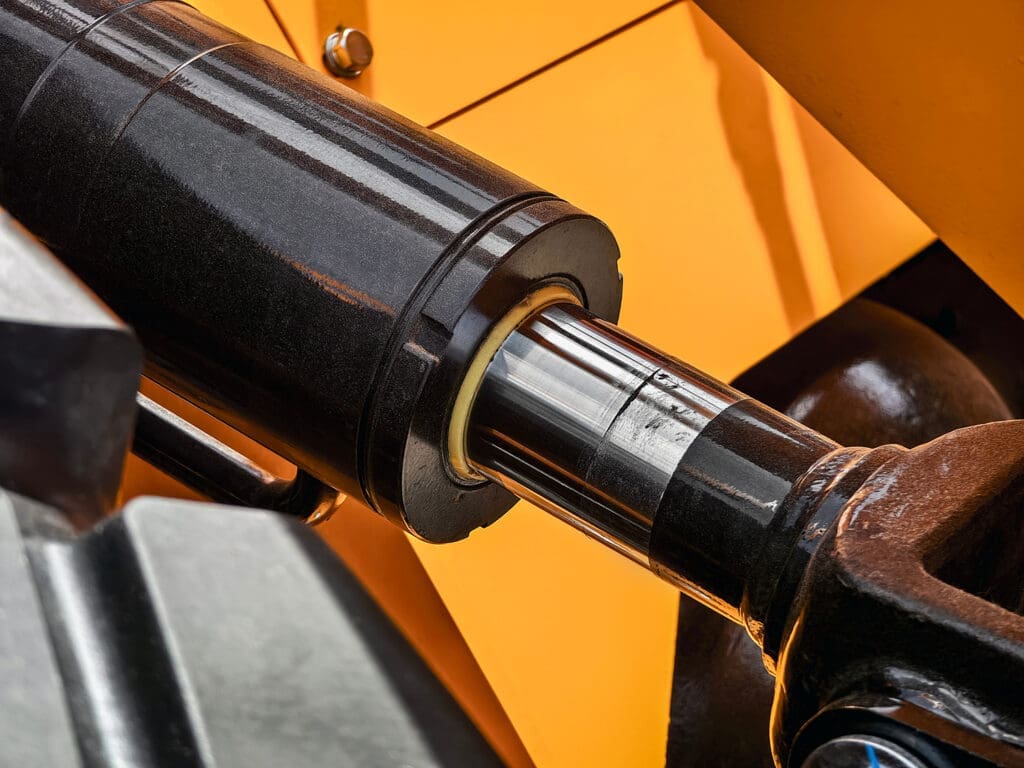
In industrial settings, hard chrome plating is applied to hydraulic cylinder rods, mill rolls, pump shafts, forming dies, firearm barrels, and a wide range of other components that experience friction, pressure, or exposure to harsh environments. The coating typically ranges from 0.0002 to 0.010 inches thick, depending on the application.
The reflective surface you see on industrial chrome-plated components is a byproduct of the process, not its purpose. The goal is hardness, wear resistance, and surface protection.
What Is Stainless Steel?
Stainless steel is a metal alloy where chromium is integrated directly into the steel during manufacturing, typically at a minimum of 10.5 percent by mass. This embedded chromium reacts with oxygen to form a passive oxide layer on the surface, giving stainless steel its excellent corrosion resistance throughout the entire material, not just at the surface.
Unlike chrome-plated steel, if the surface of stainless steel is scratched or machined, the chromium-rich layer regenerates naturally when exposed to air. That makes it a reliable choice in environments where sustained chemical or moisture exposure is a primary concern.
Chrome-Plated Steel vs. Stainless Steel: A Direct Comparison
When you compare chrome-plated vs stainless steel side by side, several performance factors stand out.
| Factor | Chrome-Plated Steel | Stainless Steel |
|---|---|---|
| Surface Hardness | 65–72 HRC (hard chrome) | 20–45 HRC depending on grade |
| Corrosion Resistance | Good to excellent with intact coating | Excellent throughout the material |
| Repairability | Can be stripped and re-plated | Requires replacement or welding |
| Cost | Lower upfront, highly repairable | Higher material and fabrication cost |
| Wear Resistance | Superior for high-friction applications | Moderate, varies by grade |
| Applications | Hydraulics, shafts, rolls, dies, barrels | Food processing, chemical, marine, structural |
Is Chrome or Stainless Steel Better for Your Application?
This is one of the most common questions operations and maintenance teams face when evaluating component wear or sourcing replacement parts. The answer depends on what you are actually asking the material to do.
Choose chrome-plated steel when:
- Your component experiences heavy friction, sliding contact, or abrasive wear
- You need maximum surface hardness without the cost of full stainless fabrication
- You are repairing an existing component rather than replacing it entirely
- The part operates in a hydraulic system, a mill environment, a press, a quarry, a construction machine, or an agricultural application where surface wear is the primary concern
Choose stainless steel when:
- The environment involves sustained chemical exposure, moisture, or regulatory requirements such as food-grade or pharmaceutical processing
- Full-material corrosion resistance is required throughout the component, not just at the surface
- Structural integrity after surface damage is critical
For most heavy industrial applications, chrome-plated steel delivers higher surface hardness at a significantly lower cost than stainless fabrication. When wear and friction are the primary failure modes, hard chrome plating is typically the more practical and cost-effective choice.
Why Repairability Is a Critical Factor in Industrial Operations
One advantage that often gets overlooked in the chrome vs steel discussion is what happens when a component fails. With chrome-plated steel, you have options. A worn or damaged rod, shaft, or cylinder can be stripped, re-ground to specification, and re-plated. In many cases, this restores the component to original tolerances and performance for a fraction of the cost of a new part.
Stainless steel components typically require full replacement or weld repair when they fail in service. That means longer lead times, higher material costs, and more production downtime while you wait for a replacement to arrive.
If your operation runs hydraulic cylinders, forming rolls, or precision shafts, the ability to repair rather than replace is a high-cost and time advantage. It is worth factoring that into your material and vendor decisions upfront.
Real Industrial Applications Where Chrome Plating Outperforms Stainless
To put this in practical terms, here are situations where chrome-plated steel is the established solution across the industries Hard Chrome Specialists serves:
- Heavy equipment and construction: Hydraulic cylinder rods on excavators, loaders, and cranes wear over time from dirt, debris, and constant cycling. Re-chroming the rod is a standard repair that extends service life without replacing the entire cylinder.
- Hot mills and metal forming: Mill rolls and forming components in steel and casting operations operate under extreme pressure and heat. Hard chrome plating maintains dimensional accuracy and surface hardness under conditions that would compromise most other coatings.
- Agricultural machinery: Equipment exposed to soil, moisture, and abrasive materials benefits from the wear resistance of hard chrome on shafts and hydraulic components.
- Quarry and aggregate operations: Components in crushing, screening, and conveying equipment take significant punishment. Chrome plating extends service intervals and reduces the frequency of part replacement.
- Industrial firearms manufacturing: Manufacturers supplying military and law enforcement applications apply hard chrome plating to barrel bores and internal components for corrosion resistance and reduced friction under repeated cycling.
In each of these settings, the goal is the same: keep components in service longer, reduce downtime, and lower the total cost of maintaining operating equipment.
How the Two Materials Hold Up Over Time
Durability over the long term depends heavily on operating conditions. Chrome-plated steel performs exceptionally well when the coating remains intact. Because hard chrome plating reaches 65 to 72 HRC on the Rockwell hardness scale, it resists surface wear far better than most stainless steel grades, which typically fall in the 20 to 45 HRC range.
The trade-off is that if the coating is damaged, the underlying steel is exposed and can corrode in aggressive environments. This is why proper surface preparation, correct plating thickness, and quality control during the plating process matter. A well-applied hard chrome coating on a properly prepared substrate will outlast many alternatives in high-wear applications.
Stainless steel, by contrast, maintains its corrosion resistance even when the surface is compromised because the passive chromium oxide layer regenerates. In environments involving prolonged exposure to chemicals, saltwater, or food-grade conditions, stainless steel has a clear advantage.
Ready to Get a Quote for Your Chrome Plating or Repair Need?
If you are evaluating whether chrome plating is the right solution for a worn or damaged component, describe the part, the application, and the failure mode, and the team at Hard Chrome Specialists will give you a direct assessment. As a family-owned, ISO 9001-registered industrial plating and repair company serving B2B customers since 1988, you get the experience of trained technical specialists, a focus on fast turnaround, and practical problem-solving that keeps your operation moving.