
Industrial Hard Chrome Plating: What to Expect from Quote to Final Inspection
When a critical component is worn, out of spec, or failing, you’re already dealing with component downtime and the pressure to make a fast decision. The repair vs replacement question comes up quickly, and so does the need to find a plating vendor you can trust to deliver on time and to spec.
Understanding the industrial hard chrome plating process before you send in a part helps you ask better questions, provide the right information upfront, and set accurate expectations internally. Here is exactly what to expect, from your first quote request through final inspection.
Step 1: Getting an Accurate Industrial Chrome Plating Quote
The quality of your industrial chrome plating quote depends directly on the information you provide. Incomplete requests lead to estimates that miss the mark on cost and lead time.
To quote your job accurately, we need:
- Part prints or drawings with current and target dimensions
- Substrate material, such as carbon steel, stainless steel, or cast iron
- Current condition of the part, whether worn, corroded, or dimensionally out of spec
- Hard chrome plating thickness target and final tolerance requirements
- Masking requirements, meaning any surfaces, threads, or bores that must remain uncoated
- Surface finish requirements after plating
- Any applicable OEM specs or engineering documentation
Submitting part prints at the time of inquiry is the most efficient way to move from request to quote.
Step 2: Surface Preparation
Surface preparation is where the hard chrome plating process begins, and it is not a step that can be rushed. Proper prep directly affects adhesion, finish quality, and long-term wear resistance under operating conditions.
Depending on the condition of your part, preparation may include degreasing, cleaning, and OD grinding to establish a uniform base diameter. Components with pitting, corrosion, or worn surfaces require this foundation before chrome can be applied consistently. Skipping adequate surface preparation is one of the primary reasons industrial plating fails before it should.
Step 3: Masking and Plating
Before the part enters the tank, masking requirements are addressed. Threads, bores, keyways, and any other features that must remain uncoated are masked accurately. Errors here create tolerance stack-up problems on the finished part and require rework.
Once masking is complete, the part is set up for plating. The industrial hard chrome plating process uses electrodeposition to build up a dense, wear-resistant layer on the target surface. For worn or undersized components, build-up plating restores the part to its original dimensions. Hard chrome plating thickness is calculated based on your final spec, with the deposit intentionally applied over the target dimension to allow for post-plate grinding.
Step 4: Grinding After Plating
Grinding after plating is standard practice for industrial components with tight tolerances. The chrome is plated above the final target dimension, then precision-ground to bring the part to the exact print spec and the required surface finish.
For hydraulic cylinder rods, piston rods, shaft journals, and similar components, this step confirms dimensional compliance. A properly ground part fits correctly, functions as designed, and performs reliably under load.
Step 5: Inspection and Quality Control
Every finished part goes through dimensional inspection before it ships. Hard chrome plating inspection at our facility verifies that the plated and ground component meets the tolerances you specified, whether from your own prints, your customer’s requirements, or OEM specs.
As an ISO 9001-registered facility, we maintain documented, traceable quality control processes. If your operation requires formal records of plating thickness, surface finish, or dimensional compliance, that is part of the conversation at quoting, not an afterthought.
What Affects Hard Chrome Plating Lead Time
Hard chrome plating lead time depends on part size, required thickness, masking complexity, incoming part condition, and current shop volume. Parts that arrive with significant wear, damage, or dimensional variation may require additional preparation time beyond initial estimates.
If you are working against a firm production deadline, communicate that when you submit your request. We will confirm upfront whether the timeline is achievable so you can plan accordingly and minimize component downtime.
Ready to Stop Losing Production Time to Worn Components?
Every day a worn part sits out of spec, your operation loses time, output, and money. Hard Chrome Specialists has been solving that problem since 1988. As a family-owned, ISO 9001-registered facility, we bring industrial hard chrome plating expertise, reliable turnaround, and quality workmanship to every job.
Submit your part prints and specifications, and we will get back to you with a quote.
Hard Chrome Plating Thickness and Tolerances: Your Guide to First-Time Accuracy
If your operation has dealt with rework, scrap, or assembly failures after a plating job, the root cause is often incomplete specifications. When specifications for hard chrome plating thickness and tolerances are missing or unclear, parts return oversized, undersized, or unusable. The consequences are immediate: line stoppages, repeat shipments, extended outages, and avoidable replacement costs that damage your schedule and budget.
This guide is written for you, whether you manage operations, maintain equipment, oversee a plant, or handle procurement. It explains what to specify before your parts ship so your components come back usable the first time.
What Hard Chrome Plating Thickness Actually Means for Your Parts
Hard chrome plating thickness is not a fixed number. It depends on how much material was lost to wear, what the finished dimension needs to be, and whether the part will be ground after plating. Typical buildup targets range from 0.002 to 0.020 inches, though severely worn components may require more before a grinding pass begins.
Specifying only a nominal diameter without a buildup target or final dimension means the shop is estimating, and estimates create the conditions for rework, repeat orders, and additional downtime that compounds production pressure.
As-Plated vs. Post-Grind: Choosing the Right Approach
Understanding as-plated vs. ground is one of the most practical decisions in hard chrome plating fit planning. Your answer determines how the job is quoted and how the buildup target is set.
As-plated works for applications where tight tolerances are not required, and surface geometry is simple. Use this approach when dimensional precision is not critical to assembly or function.
Post-plate grinding is the correct choice for bearing journals, shaft diameter restoration, and any assembly requiring interference fit or clearance fit precision. The part is plated with intentional overbuild, then brought to its final dimension through cylindrical grinding. This delivers the dimensional control and surface finish that wear-critical components require.
Choosing the right approach upfront eliminates delays and keeps your line moving without costly back-and-forth.
How to Specify Hard Chrome Plating Tolerances Correctly
Providing clear hard chrome plating tolerances before the job starts is the most direct way to prevent parts from coming back wrong. Answer these four questions when submitting your part:
1. What are the defined wear surfaces and target finished dimensions?
Identify which surfaces have worn and what the target finished dimensions are for each critical area. This clarity ensures the plating buildup strategy targets the right endpoints.
2. What is the acceptable tolerance band?
For components going into bearings or hydraulic assemblies, define the band in thousandths. Even 0.001 inches matters in interference-fit and clearance-fit applications.
3. What surfaces need masking and what is your masking strategy?
Threads, seal grooves, keyways, and any surface that should not receive chrome must be clearly called out. Masking requirements must be communicated with drawings or written notes so that unintended plating does not add cost and another shipment.
4. What are your inspection criteria?
If your process requires dimensional reports, hardness confirmation, or verification testing, include these requirements upfront. Inspection expectations for hard chrome plating thickness and tolerances must be part of your initial specification, not added after the part arrives.
Applications Where Buildup Strategy Directly Affects Outcomes
Plating buildup thickness planning matters most where dimensional accuracy and surface performance are non-negotiable. Here are the most common scenarios across your industries:
- Bearing journals on shafts and rollers: Post-plate grinding is standard here. Buildup must account for material removed during the grinding pass to achieve the final interference-fit dimension.
- Worn pins and bushings in heavy equipment: Clearance fit requirements vary by design. Without a defined target clearance, the finished part may not install without rework.
- Agricultural and hot mill equipment components: Shaft diameter restoration on worn bores and rod surfaces requires controlled buildup followed by reconditioning to original dimensions.
- Quarry and mill operation components: High-wear environments require both correct thickness and surface hardness. Dimensional accuracy is directly tied to downtime reduction in these operations.
- Construction equipment wear surfaces: Rebuild demand on loader pins, bearing diameters, and sliding components depends on the buildup strategy that accounts for final fit and clearance tolerances.
- Firearms components: Precision dimensions and strict surface finish requirements apply here. Both as-plated and post-grind paths may apply depending on the component function.
In every case, dimensional control comes from the specification you submit, not from assumptions made at the plating tank.
Why Post-Plate Grinding Belongs in Your Spec
Post-plate grinding is not an optional step for precision components. It is part of the repair vs. replacement decision and the restoration process for any application that requires tight fits, surface finish consistency, or restoration to original equipment dimensions. Grinding after plating corrects geometry, achieves tolerances that as-plated surfaces cannot hold reliably, and produces the surface finish required for sealing contact or bearing load.
If your component requires a specific Ra value or must be returned to OEM dimensions, cylindrical grinding should be included in the quote from the start. Hard Chrome Specialists provides cylindrical grinding and reconditioning as part of the restoration process, so your part is returned ready to install, not ready for a second vendor.
Get the Dimensions Right the First Time
Without clear specifications, you lose time to rework, money to repeat shipments, and production to line stoppages. When you submit complete information, Hard Chrome Specialists delivers components built to your exact hard chrome plating thickness and tolerances, ready to install without delays or fit failures.
Since 1988, we have partnered with operations teams in heavy equipment, agriculture, hot mills, construction, and quarries to prevent rework through clear specifications. Submit your drawings, target dimensions, and inspection requirements today for an accurate quote.
Chrome Plating Hydraulic Cylinder Rods: Failure Modes and Repair Options
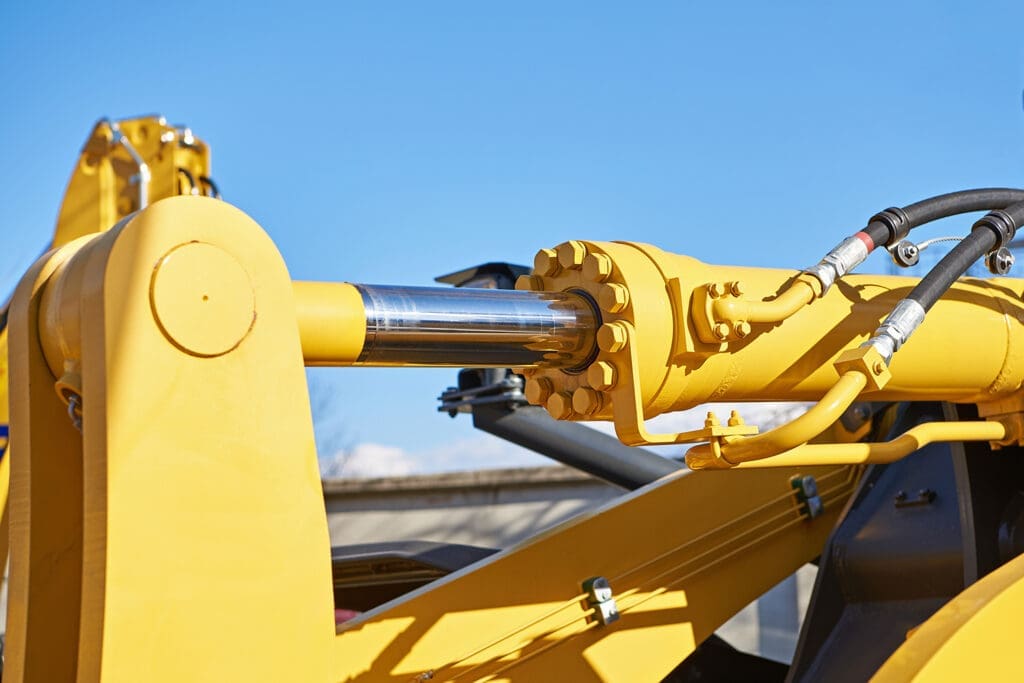
When a hydraulic cylinder rod fails, your operation stops. The question is not just how to fix it, but whether you need a full replacement or whether chrome plating a hydraulic cylinder rod is the faster, more cost-effective path back to full production.
This guide covers the most common failure modes, how to evaluate whether restoration is viable, and what the repair process looks like from inspection to final delivery. If you manage equipment in heavy manufacturing, construction, agricultural operations, mills, or any facility where hydraulic systems are critical to output, this is information worth having before downtime makes the decision for you.
Why Hydraulic Cylinder Rods Fail
Rod failure is rarely sudden. It develops through progressive surface degradation, and the earlier you identify it, the more options you have.
Pitting is one of the most common failure modes. Once the surface layer begins to break down from moisture exposure, contamination, or aggressive operating conditions, pitting accelerates quickly. Each pit creates a path for hydraulic fluid to bypass the seals, leading to leaks, pressure loss, and eventual system failure.
Scoring typically results from abrasive particles entering the system or from misalignment that causes metal-to-metal contact. A scored surface is irregular and rough. That roughness destroys seals faster than normal wear, and if your team is replacing seals on a regular cycle, the rod surface itself is often the underlying cause.
Corrosion is especially common in construction equipment, quarry operations, and agricultural machinery where rods are exposed to water, chemicals, and outdoor environments year-round. A hydraulic cylinder rod that is not resistant to corrosion will degrade faster than its rated service life, regardless of how well the rest of the system is maintained.
All three failure modes lead to the same outcome: fluid leakage, reduced system pressure, and unplanned downtime that ripples through your production schedule.
Repair vs. Replacement: Making the Right Call
Before committing to a new rod, evaluate the condition of the base metal. If the substrate is sound and the damage is limited to the surface, restoration through hard chrome plating is typically the more practical choice in terms of both cost and lead time.
Even if the substrate is severely corroded below the surface, rechroming the cylinder rod is the best option, not replacement. Replacement makes sense when the substrate is cracked or dimensionally outside of acceptable tolerances. Severe below-surface corrosion is a condition that Hard Chrome Specialists addresses every day; it is a core part of the business and well within the scope of what the rechroming process is designed to handle. A visual inspection alone is not always sufficient to make that determination. A qualified technician needs to evaluate the rod before any work begins.
The economics of repair are difficult to ignore. A replacement rod for a crane cylinder, a hot mill press, or heavy construction equipment carries significant lead time and capital expense. Restoration, when the part is a good candidate, brings the rod back to functional specification at a fraction of that cost. This holds true across industries, from firearm component manufacturers running precision hydraulic presses to quarry and aggregate operations running high-cycle equipment in abrasive environments.
How Chrome Plating Restores a Hydraulic Cylinder Rod to Specification
Chrome plating a hydraulic cylinder rod is a precision process, not a surface patch. It rebuilds the functional layer of the rod to exacting specifications so the restored component performs like new in demanding industrial environments.
At Hard Chrome Specialists, the process works as follows:
- Inspection. The rod is evaluated for substrate integrity, surface damage, and dimensional condition. If restoration is not viable, you will know before any work is authorized.
- Stripping. The existing chrome layer is removed through reverse electrolysis or precision grinding, depending on the rod’s condition. Preserving the substrate is the priority at this stage.
- Surface preparation. The base metal is cleaned thoroughly. Any contaminants left on the substrate will affect plating adhesion and final quality, so this step is not rushed.
- Chrome plating. The rod is placed in an electrochemical bath. A controlled current causes chromium metal to deposit evenly across the rod surface. Deposit thickness is determined by your operating requirements and the application environment.
- Post-grinding and finishing. The chrome layer is ground and finished to the precise diameter and surface finish required for seal compatibility. This step determines whether the restored rod will actually perform correctly. A surface that is too rough or dimensionally out of spec will cause the same seal failures you started with.
- Final inspection. The finished rod is measured and verified against your specifications before it leaves the facility.
The result is a hard, wear-resistant surface built to hold up under the conditions your equipment actually operates in, whether that is a high-cycle press, an outdoor crane, or a hydraulic system running in a quarry environment.
Surface Finish and Seal Compatibility
Surface finish specification is one of the most critical factors in a successful rechrome, and it is often overlooked when sourcing a repair vendor. Seals require a specific surface roughness range to function correctly. Too rough, and the seal wears out before its rated cycle count is reached. Too smooth, and the seal cannot maintain adequate film lubrication.
When you send a rod to Hard Chrome Specialists for rechroming, knowing your seal manufacturer’s recommended finish specification helps. If you do not have that information, the technical team can work with you to determine the appropriate target finish based on the application and operating conditions.
What to Have Ready When You Request a Quote
Getting a fast, accurate quote starts with the right information. Before you contact Hard Chrome Specialists, have the following ready:
- Rod diameter and approximate length
- Description of the surface damage (pitting, scoring, corrosion, or a combination)
- Photos of the rod surface, if available
- Operating environment details, such as chemical exposure, outdoor use, or temperature range
Having this on hand allows the team to evaluate the rod accurately and give you a realistic turnaround and cost estimate without unnecessary back and forth.
Get Your Rod Back to Spec
If you have a hydraulic cylinder rod that is pitted, scored, or showing signs of surface wear, the time to act is before a full system failure forces your hand. Chrome plating hydraulic cylinder rod is the proven industrial method for restoring surface performance, extending component life, and returning equipment to service without the lead time or cost of a full replacement.
Hard Chrome Specialists has been handling hydraulic cylinder repair and industrial chrome plating since 1988. All work is performed in-house, from inspection through final delivery, with no outside vendors, no markup, and a single point of accountability throughout the process.
Hard Chrome vs. Electroless Nickel: Which Finish Is Right for Your Part?
If you are selecting a finish for a worn or damaged industrial component, your choice affects more than just surface performance. It affects how the part fits back into your assembly, how long it holds up in service, and whether you will be pulling it back out for rework weeks later.
Understanding hard chrome vs. electroless nickel from an application standpoint, rather than a chemistry one, gives you a practical framework to make the right call the first time.
What Each Finish Is Designed to Do
Hard chrome plating produces a dense, high-hardness surface that excels under abrasion, sliding contact, and metal-to-metal wear. Abrasion resistance is one of its core strengths, which is why it is widely used on hydraulic rods, shafts, and cylinder components that operate under load and friction. Thickness can be built up to restore worn dimensions, and the deposit is typically finished with post-finish grinding to meet final tolerances.
Electroless nickel plating works differently. Instead of using electrical current, it relies on a controlled chemical reaction that deposits material evenly across the entire part surface, including bores, recesses, and complex geometries where line-of-sight plating cannot reach. That uniform deposition is one of its defining advantages, particularly for coating selection for corrosion, where any exposed area becomes a weak point.
Not sure which category your part falls into? The full comparison between hard chrome and electroless nickel on our finishes page breaks it down in more detail.
Matching the Finish to Your Wear Mode
When you are deciding between hard chrome vs nickel plating, start with how your component is actually failing.
If abrasion, scoring, or surface fatigue from sliding contact is the issue, hard chrome is likely the right direction. The difference between electroless nickel vs hard chrome for wear is measurable: hard chrome carries a hardness advantage that holds up in high-load abrasive conditions. Think hydraulic cylinder rods, guide shafts, or any component where metal-on-metal contact is causing surface degradation.
If your part is failing from corrosive exposure, pitting, or chemical attack, electroless nickel is usually the stronger choice. Because it coats the entire surface without gaps, it removes the initiation points that allow corrosion to take hold. For components with internal passages or complex geometry, complete coverage is difficult to replicate with conventional plating.
For buildup and restoration on worn shafts or bearing surfaces, both processes can recover lost dimensions. Where they differ is in how the thickness requirements factor in. Hard chrome can be applied to heavier builds and ground back to spec, giving you more flexibility for severely worn parts. Electroless nickel deposits at a more controlled rate and often requires less post-machining, making it a good fit when you need near-net dimensional recovery.
Hard Chrome vs. Electroless Nickel Plating: Dimensional Control and Fit
Tolerances and fit often determine the finish, especially in repair and restoration work.
If you need precise dimensional control with grinding to final spec, hard chrome gives you the material to work with and a process built around that kind of finishing. Surface preparation before plating is critical here: substrate condition, cleaning, and pre-inspection all affect adhesion and the integrity of the final deposit.
If your component has tight internal features, irregular geometry, or masking requirements that would compromise consistency in a conventional plating process, electroless nickel is better suited to the job. As dimensional control coatings go, its as-plated uniformity reduces the variation that comes with geometry-dependent deposition.
Which Finish Is Right for Your Part
Neither finish is universally better. Hard chrome vs. electroless nickel is a decision that depends on your specific wear mode, operating environment, part geometry, and tolerance requirements. When you take industrial component repair in the wrong direction, whether through the wrong finish or an incomplete spec review, you end up with rework, missed downtime reduction targets, and a part that still does not perform.
A clear repair vs replacement calculation starts with knowing which finish will actually hold up in your application. Getting that right keeps your equipment running and your production schedule intact.
Ready to Get the Right Finish the First Time?
When your equipment is down or a critical component is worn, the last thing you need is to go through the process twice. Choosing between hard chrome vs. electroless nickel is not complicated when you know what your part actually needs. Match the finish to your wear mode, your environment, and your dimensional requirements, and you are already ahead of the problem.
Hard Chrome Specialists has been helping industrial operations make that call since 1988. Whether you are weighing repair vs. replacement or working through a spec for the first time, our team will review your drawings, environment details, and dimensional constraints and point you toward the right finish before quoting.
Chrome-Plated Steel vs. Stainless Steel: Performance, Cost, and Application Differences Explained
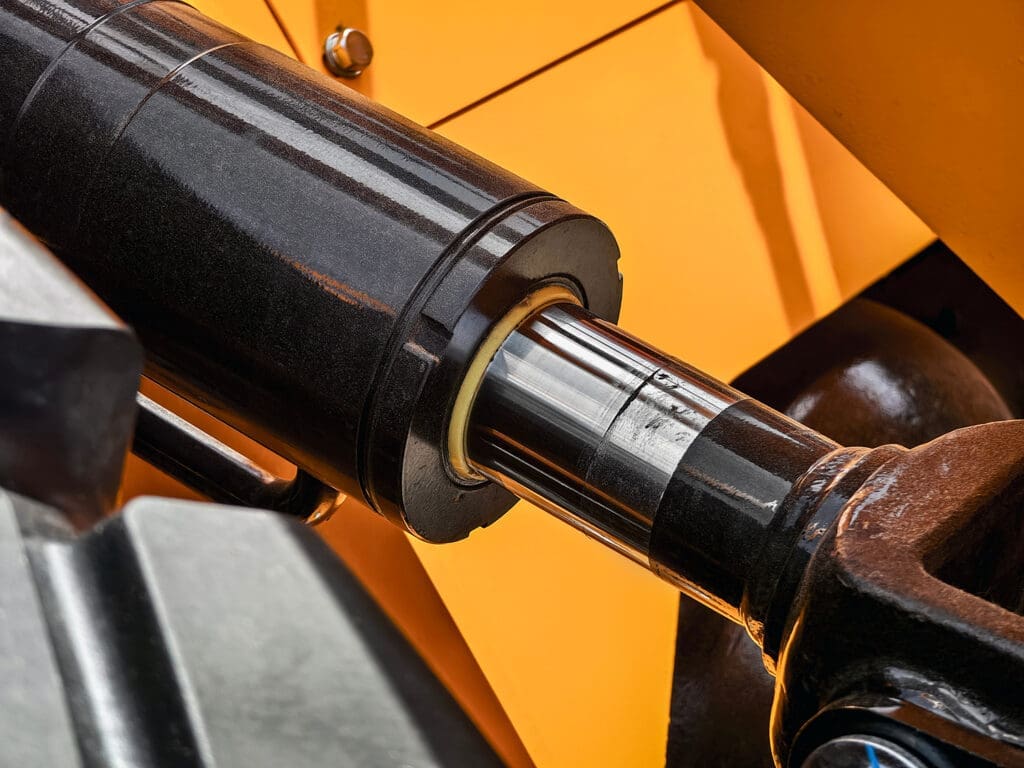
When you are sourcing materials or evaluating repair options for industrial components, understanding the difference between chrome and stainless steel matters more than most people realize. Both materials involve chromium, but they are fundamentally different in composition, performance, and cost. In this chrome vs steel guide, you will find a full chrome steel comparison of surface hardness, corrosion resistance, repairability, and cost so you can make the right call for your operation.
Knowing where chrome-plated steel outperforms stainless, and where it does not, helps you make smarter decisions about component selection, repair feasibility, and long-term operating costs.
What Is Chrome-Plated Steel?
Chrome-plated steel is a base steel substrate, typically carbon or alloy steel, with a layer of chromium deposited onto its surface through an electroplating process. The chromium plating does not change the chemistry of the steel itself. Instead, it adds a hardened, wear-resistant outer coating that protects the underlying material from abrasion, corrosion, and surface degradation.
In industrial settings, hard chrome plating is applied to hydraulic cylinder rods, mill rolls, pump shafts, forming dies, firearm barrels, and a wide range of other components that experience friction, pressure, or exposure to harsh environments. The coating typically ranges from 0.0002 to 0.010 inches thick, depending on the application.
The reflective surface you see on industrial chrome-plated components is a byproduct of the process, not its purpose. The goal is hardness, wear resistance, and surface protection.
What Is Stainless Steel?
Stainless steel is a metal alloy where chromium is integrated directly into the steel during manufacturing, typically at a minimum of 10.5 percent by mass. This embedded chromium reacts with oxygen to form a passive oxide layer on the surface, giving stainless steel its excellent corrosion resistance throughout the entire material, not just at the surface.
Unlike chrome-plated steel, if the surface of stainless steel is scratched or machined, the chromium-rich layer regenerates naturally when exposed to air. That makes it a reliable choice in environments where sustained chemical or moisture exposure is a primary concern.
Chrome-Plated Steel vs. Stainless Steel: A Direct Comparison
When you compare chrome-plated vs stainless steel side by side, several performance factors stand out.
| Factor | Chrome-Plated Steel | Stainless Steel |
|---|---|---|
| Surface Hardness | 65–72 HRC (hard chrome) | 20–45 HRC depending on grade |
| Corrosion Resistance | Good to excellent with intact coating | Excellent throughout the material |
| Repairability | Can be stripped and re-plated | Requires replacement or welding |
| Cost | Lower upfront, highly repairable | Higher material and fabrication cost |
| Wear Resistance | Superior for high-friction applications | Moderate, varies by grade |
| Applications | Hydraulics, shafts, rolls, dies, barrels | Food processing, chemical, marine, structural |
Is Chrome or Stainless Steel Better for Your Application?
This is one of the most common questions operations and maintenance teams face when evaluating component wear or sourcing replacement parts. The answer depends on what you are actually asking the material to do.
Choose chrome-plated steel when:
- Your component experiences heavy friction, sliding contact, or abrasive wear
- You need maximum surface hardness without the cost of full stainless fabrication
- You are repairing an existing component rather than replacing it entirely
- The part operates in a hydraulic system, a mill environment, a press, a quarry, a construction machine, or an agricultural application where surface wear is the primary concern
Choose stainless steel when:
- The environment involves sustained chemical exposure, moisture, or regulatory requirements such as food-grade or pharmaceutical processing
- Full-material corrosion resistance is required throughout the component, not just at the surface
- Structural integrity after surface damage is critical
For most heavy industrial applications, chrome-plated steel delivers higher surface hardness at a significantly lower cost than stainless fabrication. When wear and friction are the primary failure modes, hard chrome plating is typically the more practical and cost-effective choice.
Why Repairability Is a Critical Factor in Industrial Operations
One advantage that often gets overlooked in the chrome vs steel discussion is what happens when a component fails. With chrome-plated steel, you have options. A worn or damaged rod, shaft, or cylinder can be stripped, re-ground to specification, and re-plated. In many cases, this restores the component to original tolerances and performance for a fraction of the cost of a new part.
Stainless steel components typically require full replacement or weld repair when they fail in service. That means longer lead times, higher material costs, and more production downtime while you wait for a replacement to arrive.
If your operation runs hydraulic cylinders, forming rolls, or precision shafts, the ability to repair rather than replace is a high-cost and time advantage. It is worth factoring that into your material and vendor decisions upfront.
Real Industrial Applications Where Chrome Plating Outperforms Stainless
To put this in practical terms, here are situations where chrome-plated steel is the established solution across the industries Hard Chrome Specialists serves:
- Heavy equipment and construction: Hydraulic cylinder rods on excavators, loaders, and cranes wear over time from dirt, debris, and constant cycling. Re-chroming the rod is a standard repair that extends service life without replacing the entire cylinder.
- Hot mills and metal forming: Mill rolls and forming components in steel and casting operations operate under extreme pressure and heat. Hard chrome plating maintains dimensional accuracy and surface hardness under conditions that would compromise most other coatings.
- Agricultural machinery: Equipment exposed to soil, moisture, and abrasive materials benefits from the wear resistance of hard chrome on shafts and hydraulic components.
- Quarry and aggregate operations: Components in crushing, screening, and conveying equipment take significant punishment. Chrome plating extends service intervals and reduces the frequency of part replacement.
- Industrial firearms manufacturing: Manufacturers supplying military and law enforcement applications apply hard chrome plating to barrel bores and internal components for corrosion resistance and reduced friction under repeated cycling.
In each of these settings, the goal is the same: keep components in service longer, reduce downtime, and lower the total cost of maintaining operating equipment.
How the Two Materials Hold Up Over Time
Durability over the long term depends heavily on operating conditions. Chrome-plated steel performs exceptionally well when the coating remains intact. Because hard chrome plating reaches 65 to 72 HRC on the Rockwell hardness scale, it resists surface wear far better than most stainless steel grades, which typically fall in the 20 to 45 HRC range.
The trade-off is that if the coating is damaged, the underlying steel is exposed and can corrode in aggressive environments. This is why proper surface preparation, correct plating thickness, and quality control during the plating process matter. A well-applied hard chrome coating on a properly prepared substrate will outlast many alternatives in high-wear applications.
Stainless steel, by contrast, maintains its corrosion resistance even when the surface is compromised because the passive chromium oxide layer regenerates. In environments involving prolonged exposure to chemicals, saltwater, or food-grade conditions, stainless steel has a clear advantage.
Ready to Get a Quote for Your Chrome Plating or Repair Need?
If you are evaluating whether chrome plating is the right solution for a worn or damaged component, describe the part, the application, and the failure mode, and the team at Hard Chrome Specialists will give you a direct assessment. As a family-owned, ISO 9001-registered industrial plating and repair company serving B2B customers since 1988, you get the experience of trained technical specialists, a focus on fast turnaround, and practical problem-solving that keeps your operation moving.
6 Signs Your Hydraulic Valve Needs Repair and What Each One Means for Your System
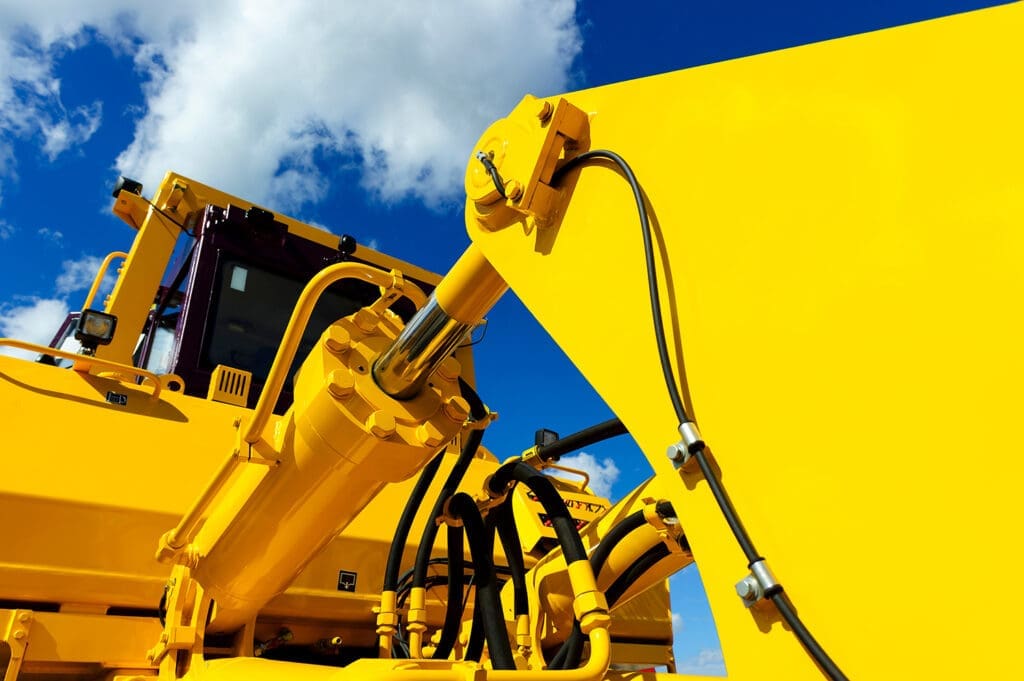
When a hydraulic valve starts to fail, your system will tell you before it shuts down completely. The challenge is knowing how to read those signals. Pressure drops, sluggish response, fluid weeping at the ports; each symptom points to a specific mechanical problem, and each one carries a real operational cost if you ignore it.
If you are a maintenance manager, operations manager, or plant manager responsible for keeping equipment running, this post is for you. We cover the six most common signs of hydraulic valve failure, what is causing each one, and what it means for your system. We focus specifically on directional control valves, pressure control valves, and flow control valves, the three types most critical to hydraulic circuit performance and the most common candidates for hydraulic valve repair.
1. Pressure Drop Without a Load Change
If you are seeing a drop in system pressure and nothing in the load has changed, you are likely dealing with internal leakage. This is one of the clearest hydraulic valve symptoms of a worn or damaged spool or seat, where fluid bypasses the valve internally instead of moving through the intended circuit.
Left unaddressed, internal bypass steals force from your actuators, reduces cycle speed, and forces your pump to work harder to compensate. In high-cycle applications like metal forming mills or agricultural equipment running continuous production, that added strain accelerates wear across the entire system faster than most teams anticipate.
2. System Will Not Hold Position
A cylinder or actuator that drifts under load is a direct sign of hydraulic valve problems. When a directional control valve or check valve cannot hold a commanded position, worn seals or a degraded spool are typically the cause.
This is one of the most common issues we see in hydraulic directional valve repair work, particularly on crane cylinders, press equipment, and heavy construction machinery, where the spool clearance has opened up due to contamination or extended service hours. The result is uncontrolled movement, which creates both a safety risk and production inconsistency.
3. Sluggish Response Despite Correct Flow Settings
If your system is slow to respond but your flow settings are properly calibrated, a sticking spool is the most likely culprit. Contaminated fluid, varnish buildup, or physical wear can cause the spool to drag or hang mid-stroke instead of shifting cleanly.
This symptom comes up frequently in hydraulic control valve repair evaluations, especially on equipment that runs in dirty or high-temperature environments such as quarry operations or foundry floor machinery. The spool may not be fully stuck; it may just be hesitating. But even partial restriction changes your cycle timing and undermines output consistency across a full production shift.
4. Metal Particles in Fluid Samples
Routine oil analysis is one of the best diagnostic tools available to maintenance teams. If your samples are showing metal particulate, do not assume it is coming from your pump alone. Hydraulic valve wear produces fine metal debris that circulates through the system, contaminating fluid and accelerating component degradation downstream.
Particulate from valve body erosion or spool wear can score cylinder bores, damage pump internals, and clog orifices throughout your circuit. Catching this early is how you avoid a much larger hydraulic valve repair bill down the line, whether you are running agricultural equipment in the field or precision hydraulic systems on a firearms manufacturing line.
5. Localized Overheating at the Valve Body
Heat that concentrates at or near a specific valve is not a normal operating condition. When flow is restricted inside the hydraulic control valve, whether from a sticking spool, a partially blocked passage, or a worn pressure relief valve seat, the energy that should be doing mechanical work converts to heat instead.
Overheating at the valve body is a direct signal of restricted flow and a precursor to seal degradation. Seals exposed to sustained elevated temperatures fail faster, which turns a manageable hydraulic valve problem into a system-wide leak event that pulls equipment out of service at the worst possible time.
6. External Fluid Weeping at Ports or Fittings
Visible fluid at valve ports, end caps, or fitting connections is not just a housekeeping issue. It is an active indicator of seal failure. Worn or hardened seals no longer maintain the pressure boundary, and what starts as a weep can progress to a full external leak under operating conditions.
In demanding environments like quarries, steel mills, and heavy construction, external leakage from a control valve accelerates from a nuisance to a downtime event quickly. The cost compounds when leaked fluid contaminates surrounding components or creates a safety hazard on the shop floor.
Ready to Get a Clear Answer on Your Hydraulic Valve?
Each of these six symptoms follows the same progression: valve failure develops, performance degrades, and unplanned downtime follows if you wait too long to act.
At Hard Chrome Specialists, we start with a free teardown and evaluation. Our technicians assess the valve condition, identify the root cause, and give you a straight answer on whether hydraulic valve repair or full replacement is the right call. All work is performed in our in-house facility, which includes a clean room, lapping capability, and a full machine shop. No outside vendors. No markup. No delays.
If you are seeing any of these hydraulic valve symptoms in your system, do not wait for a full failure to force your hand. Get A Quote and let our team evaluate your valve today.
How Much Does Hard Chrome Plating Cost? A Practical Pricing Guide for Industrial Buyers
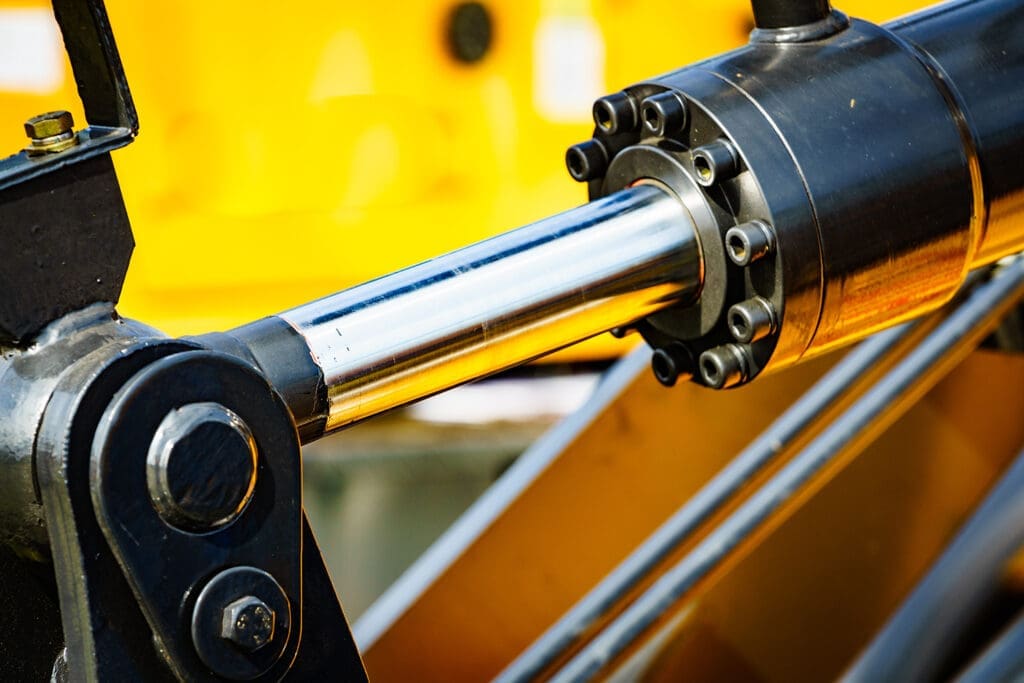
If you are managing equipment maintenance or sourcing repair vendors, one of the first questions you need answered is a straightforward one: how much does chrome plating cost? The honest answer is that it depends, but that does not have to leave you guessing. Understanding what drives industrial hard chrome plating cost gives you the information you need to budget accurately, compare vendors fairly, and make smarter repair decisions before a worn part becomes an unplanned shutdown.
This guide breaks down the key pricing factors, provides realistic ballpark ranges by part type, and tells you exactly what to include when you request a quote.
What Industrial Hard Chrome Plating Is (And Is Not)
Before getting into pricing, it helps to clarify what you are paying for. Industrial hard chrome, sometimes referred to as engineering chrome, is a functional surface treatment applied to metal components to restore dimensions, extend service life, and improve performance in demanding operating environments. It is not cosmetic work.
Unlike decorative chrome, which is applied purely for appearance, industrial hard chrome plating is specified for performance. The chromium-plated layer delivers measurable wear resistance and corrosion resistance, allowing rebuilt components to perform reliably in the field, often beyond their original service life.
If your hydraulic rods, industrial rolls, shafts, press components, or tooling are worn, pitted, or out of tolerance, chrome plating is a proven method for bringing those parts back to spec without full replacement.
Hard Chrome Specialists has been performing this work since 1988. As an ISO 9001-registered facility, every job is held to documented quality standards, and the team handling your parts consists of trained technical specialists, not generalists.
Key Factors That Affect Chrome Plating Cost
No two parts are identical, and neither are their quotes. When you ask how much it costs to get something chrome-plated, these are the variables that drive the number.
Part Size and Geometry
Larger parts require more tank capacity, more material, and more labor hours. Complex geometry, tight tolerances, or features that require masking all add to the time and skill involved. A straightforward hydraulic rod is quoted differently than a large forming roll or a component with recessed features. Size is often the single largest cost driver.
Required Plating Thickness
Chrome plating price is directly tied to deposit thickness. Thicker deposits take longer to build and consume more material. If your part is severely worn and needs significant build-up before being ground back to the final dimension, that additional processing is reflected in the quote.
Substrate Condition
Parts that arrive heavily corroded, deeply pitted, or structurally compromised require more preparation before plating can begin. Surface condition affects both adhesion quality and the amount of pre-treatment labor involved. A part in poor condition is not necessarily a rejection, but it does affect cost and turnaround time.
Pre-Treatment and Post-Plating Work
Many parts require surface preparation before plating, such as OD grinding to remove surface damage or build-up welding to restore missing material. After plating, a finish grind is typically required to bring the part to its final dimension and specified surface finish. These steps are part of a complete repair, and they are what separates a properly restored component from one that fails prematurely.
Pre- and post-plating work adds to the total chrome plating cost, but skipping these steps compromises the outcome. At Hard Chrome Specialists, the full process is handled in-house, so you are not coordinating multiple vendors to get one part finished correctly.
Part Quantity
If you are sending multiple identical components, setup time is distributed across the batch, which improves per-part economics. Single-piece or low-volume runs typically carry a higher per-part cost than repeat production quantities. If you have ongoing maintenance needs, it is worth discussing volume pricing when you request your quote.
Realistic Pricing Ranges by Part Type
Chrome plating price varies widely across the industry. While every quote is specific to the part and its condition, these general ranges can help you plan and set internal expectations before engaging a vendor.
Hydraulic Cylinder Rods (Small to Mid-Size)
Repair and rechrome on a standard rod typically falls in the range of a few hundred dollars, depending on length, condition, and whether pre-treatment is needed. Rods from heavy equipment, agricultural machinery, and construction equipment are among the most common parts processed at Hard Chrome Specialists.
Large Industrial Rolls and Shafts
These are higher-investment parts. Depending on size, required plating thickness, and the scope of pre- and post-plating work, costs can range from several hundred to several thousand dollars. Mills, forming operations, and quarry equipment frequently require this type of work.
Tooling and Precision Wear Components
Smaller parts with tight tolerances, including components used in firearms manufacturing for companies such as Remington and Ruger, often carry a minimum charge regardless of physical size. That minimum reflects the setup, handling, and quality verification time required to process precision components correctly.
These figures are estimates. Your actual hard chrome plating quote will be based on the specifics of your part, its current condition, and what is required to restore it to spec.
Repair vs. Replace: Where Chrome Plating Wins
If you are weighing whether to rechrome a worn part or order a replacement, chrome plating is often the more cost-effective path, particularly when:
- The lead time on a new part is long, and downtime is already costing you
- The base material is structurally sound, and only the surface is worn
- The replacement part is expensive, obsolete, or difficult to source
- You need a precision fit that a standard off-the-shelf replacement cannot guarantee
A rechromed and reground component, restored to original dimensions with a properly applied chromium-plated surface, will often outlast a replacement in hard-use applications. That is because the industrial hard chrome layer provides wear resistance and corrosion resistance that the base metal alone cannot deliver.
For applications where nickel plating is a better fit due to part geometry, chemical exposure, or deposit requirements, Hard Chrome Specialists can evaluate your component and recommend the right process. The goal is always the best outcome for your application, not a one-size-fits-all answer.
What to Include When Requesting a Quote
When you contact Hard Chrome Specialists for a hard chrome plating quote, the more detail you provide upfront, the more accurate the number will be. Here is what to include:
- Part type and base material (steel, stainless, cast iron, etc.)
- Overall dimensions (length, diameter, or surface area)
- Current condition (worn, corroded, pitted, out of spec)
- Required plating thickness or final target dimension
- Quantity of parts
- Any pre-treatment needs you are aware of (grinding, build-up, masking)
- Your required turnaround time
Including photos of the part, especially any damaged areas, helps the team assess the condition before the part ships and avoids surprises once it arrives.
Ready to Get a Quote for Your Part?
Understanding industrial hard chrome plating cost starts with the details of your specific component. Whether you are working through a repair decision, budgeting for scheduled maintenance, or managing an unplanned breakdown, getting a direct quote based on your actual part is the fastest way to know where you stand.
Contact Hard Chrome Specialists to request your hard chrome plating quote. Provide your part details, and a member of the team will follow up with pricing and lead time.
Pitted Chrome: What Causes It, How to Spot It, and When It’s Time to Rechrome
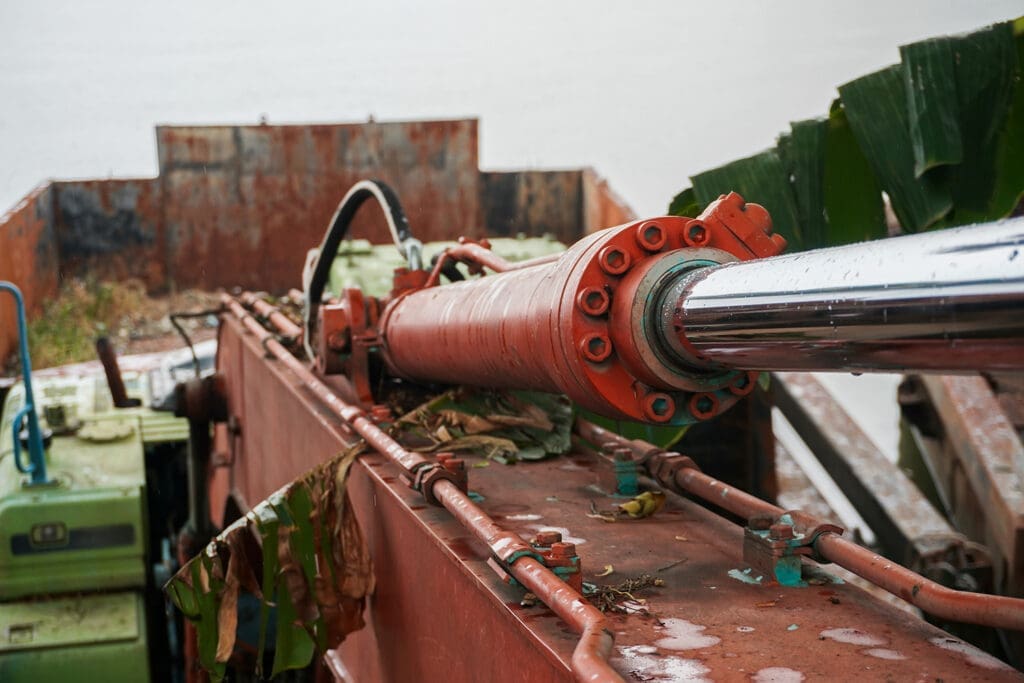
If you are seeing rough spots, rust-colored staining, or cratered surfaces on a hard chrome component, you are likely dealing with pitted chrome. What starts as a minor surface issue can escalate into a component failure, and if you are not sure what you are looking at, it is easy to underestimate the damage until it becomes a production problem.
This guide breaks down what causes chrome pitting, how to identify the stages before they get out of hand, and how to determine whether your part needs a repair, a full replate, or something else entirely.
What Is Chrome Pitting?
Chrome pitting refers to the formation of small craters or voids in the surface of a hard chrome-plated component. It happens when microcracks in the deposited layer of chromium allow moisture, contaminants, or corrosive agents to penetrate beneath the surface. Once that barrier is compromised, the base metal becomes exposed, and deterioration begins from the inside out.
This is not a cosmetic issue. On industrial components, chrome pitting directly affects sealing performance, dimensional integrity, and service life. If your equipment operates in a demanding environment, such as a hydraulic press, a hot mill, or a heavy construction machine, a pitted surface is a liability you cannot afford to ignore.
What Causes Chrome Pitting?
Understanding the root cause matters because the same conditions that created the pitting can damage a new plate if they are not corrected first.
Flaws in the Original Chrome Plating Process
Every chrome plating process produces some degree of microcracking in the hardened surface. In industrial hard chrome, that is expected and manageable. However, if the chrome plating process was not executed correctly, including proper current density, temperature control, surface preparation, and electrolytic bath chemistry, porosity increases. That gives moisture and contaminants a direct path to the base metal, and chrome deterioration begins well before it should.
Corrosive and Demanding Operating Environments
Hard chrome is valued for its corrosion resistance, but it is not impervious to every condition. Exposure to acids, hydraulic fluids, saltwater environments, and high-temperature cycling can all wear down the surface layer over time. Industries like quarrying, agriculture, and construction put components through demanding cycles, and without routine maintenance, that accelerates chrome plating wear significantly.
Mechanical Damage and Surface Stress
Impact, abrasion, and improper handling can initiate cracks in the surface. Chromium plating is hard but relatively brittle, which means high-impact contact or side-loading is a common starting point for surface breakdown. In firearms manufacturing, tight tolerances on barrel and bore components mean even minor surface inconsistencies have direct functional consequences.
Poor Substrate Preparation Before Plating
If the base metal had existing porosity, inclusions, or surface contamination before plating, those defects can telegraph through the chrome. Proper surface preparation before entering the electrolytic bath is not optional. No amount of plating thickness corrects a bad foundation.
Does Chrome-Plated Metal Rust?
This is one of the most common questions about hard chrome, and the answer surprises some people. Does chrome-plated metal rust? The chrome itself does not rust, but the base metal beneath it absolutely can. Hard chrome provides strong corrosion resistance as long as the surface remains intact. Once pitting opens a path through the layer of chromium to the substrate, oxidation sets in quickly. You will typically see it as a reddish-brown staining bleeding outward from the pit sites.
This is why early identification matters. The rust you are seeing is not a surface problem. It is a sign that the base metal is already being compromised.
How Long Does Chrome Last?
How long chrome lasts depends on several factors: operating environment, application type, plating thickness, and how consistently the equipment is maintained. In a controlled industrial setting, properly applied hard chrome on hydraulic cylinder rods, mill rolls, or heavy equipment components can deliver years of reliable performance. In high-abrasion or chemically aggressive environments without routine inspection, chrome deterioration can begin within months.
Wear resistance is one of the primary reasons industrial operators specify hard chrome in the first place. But that protection is only as good as the original application and the conditions it operates under. If your component has been in service for a while without a formal inspection, it is worth taking a closer look before a failure forces the issue.
The Stages of Chrome Deterioration
Catching chrome plating wear early gives you more options and lower repair costs. Here is what to look for at each stage.
Stage 1: Surface Oxidation
You may notice light discoloration or faint staining, but no visible surface damage yet. The chrome is still intact, but oxidation is beginning to develop beneath the surface. This is the easiest stage to address.
Stage 2: Pit Formation
Small craters become visible on the surface. Sealing performance may begin to degrade. At this stage, a strip-and-replate is often still a straightforward process, and the base metal is typically still within tolerance.
Stage 3: Base Metal Exposure
The pitting has progressed through the chrome to the substrate. Rust is visible and spreading from the pit sites. The component may already be out of tolerance or failing to seal properly. A dimensional assessment is necessary before replating is viable, and a rebuild may be required.
How to Assess Your Part: A Practical Decision Checklist
Use this to evaluate where your component stands before requesting a quote.
- Surface shows light staining but no visible pit depth: schedule an inspection and monitor the part closely.
- Pitting is visible, but base metal is not yet exposed: likely a strong candidate for strip and rechrome.
- Rust staining is bleeding outward from pit sites: base metal exposure is confirmed, a dimensional check is needed.
- Component is out of tolerance or failing to seal: a rebuild or remachine step may be required before replating.
- Plating history or original specification is unknown: bring it in for a professional evaluation before making any decisions.
Knowing when to rechrome comes down to how far the damage has progressed and whether the base metal is still within a workable range. Hard Chrome Specialists can assess that directly and recommend the right path forward before any work begins.
Why Industrial Hard Chrome Is Not the Same as Decorative Chrome Plating
It is worth stating clearly: industrial hard chrome and decorative chrome plating are not the same process, and they are not interchangeable. Decorative chrome plating is applied in thin layers for appearance. Industrial hard chrome is engineered for performance, applied to precise thickness specifications, and built to hold up under load, pressure, friction, and environmental exposure.
If your vendor does not understand that distinction, the replate will not perform the way your operation requires.
Ready to Find Out If Your Part Can Be Rechromed?
If you are looking at a component with visible pitting, rust staining, or signs of chrome deterioration, do not wait for a seal failure or a line stoppage to take action.
Hard Chrome Specialists has been handling industrial replate and repair work since 1988. As an ISO 9001-registered facility, we hold consistent standards across every job, whether it is a single hydraulic rod or a batch of mill components. Our technical specialists evaluate each part individually and recommend only what the component actually needs.
With fast turnaround and full in-house capabilities, we can assess your part and get it back in service without the lead time you would face sourcing a replacement. If you are weighing repair against replacement, we can give you a clear answer based on what we see, not a sales pitch.